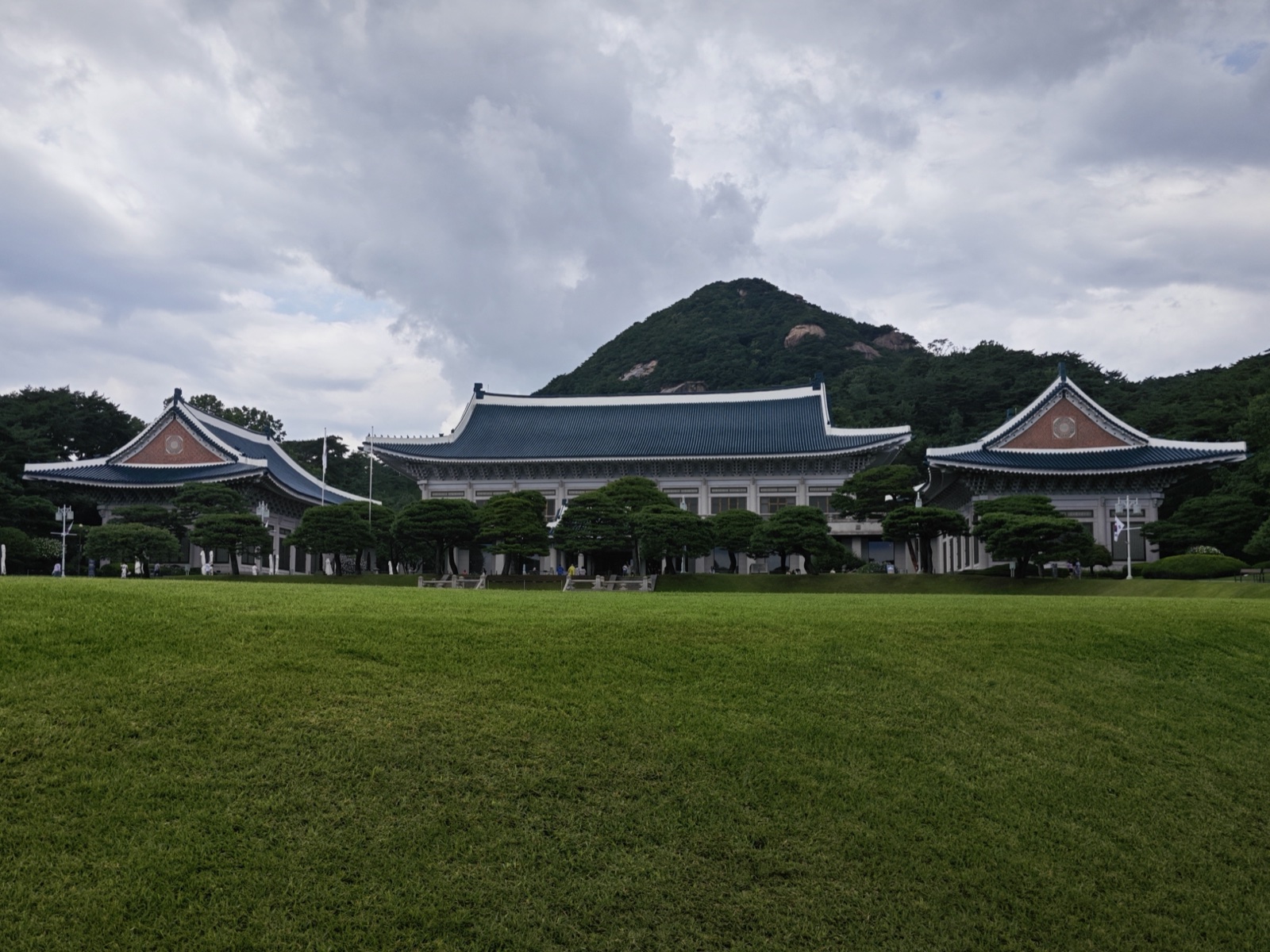
Photo: 1969社论 · File:Cheong Wa Dae 20240710.jpg · CC BY-SA 4.0
On November 23, President Lee Jae-myung nominated former Justice Minister Kang Kum-sil as director of the National Intelligence Service (NIS). According to Yonhap News Agency, new nominees for foreign minister and unification minister were also named the same day. Under the National Intelligence Service Act, the NIS is an agency under the president that handles intelligence on North Korea and other countries, counterintelligence and cybersecurity. The law requires the agency to stay politically neutral. But this nominee led the president's election campaign. How far does the law allow a person who ran a presidential campaign to head the NIS?
Kang is tied to the president through elections. According to The Dong-A Ilbo, she chaired the sponsorship association of Lee in 2021, when he was a presidential candidate. In last year's presidential election, she served as chief election campaign committee chair. The Dong-A Ilbo reported that she has no career in intelligence, security or counterintelligence. Kang told the paper, "I will do my best for the national interest of the Republic of Korea and the well-being of the people."
The presidential office's explanation includes the word neutrality. Presidential Chief of Staff Lim Kwang-hyun introduced her as the right person to, "with the conviction that has kept power institutions neutral, strengthen democratic control over the NIS." Lim also cited her career as a judge, her record as the first female justice minister and her work as the Foreign Ministry's ambassador for women's human rights.
The National Intelligence Service Act sets no separate career requirements for the director. The act says the president appoints the director after a National Assembly confirmation hearing. It has no rule that a certain number of years must pass after party or election activity, and no term of office.
Laws on other power institutions do have such restrictions. Under the Police Act, a person who left a political party less than three years ago cannot become a member of the National Police Commission. The same applies to a person who left an elected public office less than three years ago. Under the act on the Corruption Investigation Office for High-ranking Officials, a person who retired as an official of the Office of the President's Secretariat less than two years ago cannot become head of that office.
The NIS Act's ban on political involvement applies after appointment. The director and staff cannot join a political party or campaign in elections, and they are also barred from taking part in election-related strategy meetings. This provision does not look at campaign leadership before appointment.
Vetting before appointment falls to the National Assembly's confirmation hearing. The National Assembly Act makes the NIS director nominee subject to a confirmation hearing by a standing committee. But the NIS director's hearing has no consent vote by the Assembly. Under the Personnel Hearing Act, the Assembly must finish the hearing within 20 days of receiving the request for appointment. If the hearing report has not arrived by then, the president can ask again, setting a deadline of up to 10 days from the following day. If the report still does not arrive, the president can appoint the nominee.
In the United States, Congress gives consent when the head of an intelligence agency is appointed. U.S. law also sets no separate career requirements for the director of the Central Intelligence Agency (CIA). But U.S. law has the president appoint the director with the advice and consent of the Senate. The director cannot be appointed without the Senate's consent.
A politician heading the NIS is not new. According to the NIS website, Park Jie-won served as director from July 2020 to May 2022. A 2020 announcement by Cheong Wa Dae introduced him as "a politician with a career as a four-term lawmaker." Cheong Wa Dae also noted at the time that he had served on the National Assembly Intelligence Committee in the 18th, 19th and 20th Assemblies.
The two main parties were split. According to The Hankyoreh, Jeon Eun-su, floor spokesperson of the Democratic Party of Korea (DP), welcomed the picks as appointments that would "bring out the pragmatism and expertise of diplomacy and security" and add new energy. Park Sung-hoon, chief spokesperson of the People Power Party (PPP), criticized them as "typical 'revolving door, reward appointments' and 'rotation appointments' that only confirmed the dismal limits of Cheong Wa Dae's talent pool."
The tasks for the new director include intelligence cooperation with the United States. According to Yonhap News Agency, the United States has limited intelligence cooperation with the NIS. In June, at a South Korea-U.S.-Japan working-level meeting on North Korean cyber threats, the United States refused to let the NIS take part. The report interpreted such friction in intelligence as background to this reshuffle.
How will Kang separate her experience running a campaign from the neutrality of an intelligence agency? Without a career in intelligence work, how will she restore intelligence cooperation with the United States? The National Assembly Intelligence Committee handles the NIS director's hearing. Once appointed, the director is bound by the duty of political neutrality, the ban on political involvement and the duty to report to the Assembly's Intelligence Committee. But the NIS Act has no provision that screens out, before appointment, a person who led a presidential campaign. The hearing vets the nominee, and the president decides the appointment.
Sources
- Yonhap News Agency, Kang Kum-sil nominated as NIS director; foreign and unification ministers replaced, November 23, 2026.
- Yonhap News Agency, Background of the foreign affairs and security lineup change and South Korea-U.S. intelligence cooperation, November 23, 2026.
- The Dong-A Ilbo, Nominee Kang's career as sponsorship association chair and chief campaign chair, and her remarks, November 24, 2026.
- The Hankyoreh, Statements by the Democratic Party of Korea and the People Power Party, November 24, 2026.
- National Intelligence Service Act, Articles 2, 3, 9 and 11, version in force from October 2, 2026.
- Police Act, Article 8, grounds for disqualification of National Police Commission members, version in force from October 2, 2026.
- Act on the Corruption Investigation Office for High-ranking Officials, Article 13, grounds for disqualification, version in force from October 2, 2026.
- National Assembly Act, Article 65-2, confirmation hearings, version in force from October 2, 2026.
- Personnel Hearing Act, Article 6, version in force from September 8, 2026.
- U.S. Code, 50 U.S.C. §3036, Director of the Central Intelligence Agency.
- National Intelligence Service, Former directors.
- YTN, 2020 announcement of Park Jie-won as NIS director nominee, July 3, 2020.
Translated from the Korean original published on November 24, 2026.
Korean original: '정치 중립' 국정원에 대선 선대위원장…임명 전 경력 제한 조항은 없어